Turning hard-to-recycle plastic waste into valuable inputs for the chemical industry.
Plastic waste has no solution at scale. The chemical industry has no low-carbon feedstock at scale. SemperCycle has a solution for both. Competitive at fossil market prices.
How our technology works
No sorting required.
Our patented gasification reactor converts any mixed plastic waste into methanol – serving the chemical industry as drop-in feedstock.
The key components of the overall gasification process are strategically patented while operational know-how related to the feeder system, material handling, and process parameters are trade-secrets.
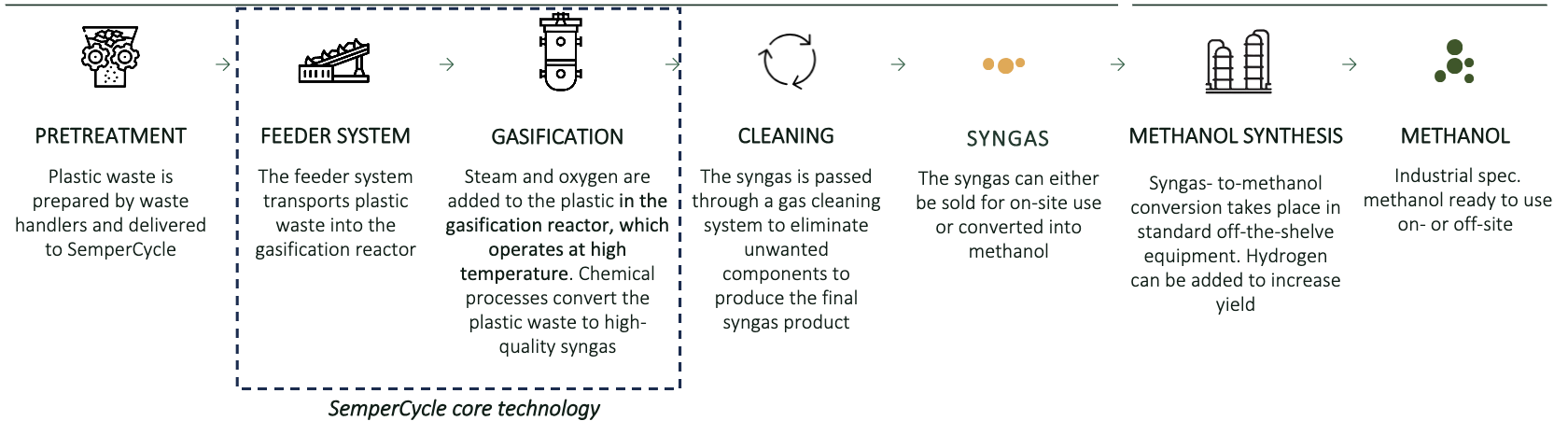
Gasification at 800 ºC splinters the plastic polymer completely. The result is a pure mix of only CO, CO2 and H2, little else. Gasification thus requires less aftertreatment. SemperCycle recovers carbon locked in plastic waste, and turns it into Syngas which can be sold as is or converted to methanol.
SemperCycle recovers carbon locked in plastic waste and turns it into methanol via gasification
Unlike conventional recycling, our process accepts mixed plastic waste streams that would otherwise be landfilled or incinerated, enabling true circularity by producing methanol that can be used to manufacture new plastics and other essential chemicals.
Our technology delivers up to 80% lower CO2e emissions compared to fossil-based methanol
Up to 76% plastic-to-plastic yield achieved when the produced methanol is used to manufacture new plastics.
By replacing virgin fossil feedstocks with waste-derived carbon, our technology reduces emissions, diverts plastic waste from disposal, and accelerates the transition to a circular plastics economy.
%
CO2e reduction compared to fossil-based methanol
%
% plastic-to-plastic yield (circularity)
Patented technology
SemperCycle’s technology can handle all types of plastic and other types of waste at competitive pricing.
SemperCycle methanol is a direct replacement for current fossil methanol
The best low-carbon feedstock alternative on every dimension – scalable, abundant waste feedstock, low-cost.
SemperCycle is the only solution that clears all three commercial filters simultaneously.
Sustainable – circular carbon from waste
Scalable – abundant, contaminated-tolerant
Highly efficient process, good unit economics
Markets
Supplying the transition to a low-carbon economy
SemperCycle converts hard-to-recycle plastic waste into syngas and other valuable chemical feedstocks e.g. methanol, supporting the growing demand for sustainable alternatives to fossil-based resources.
Syngas
Serves as a versatile intermediate for the production of ammonia, hydrogen, and synthetic fuels.

Ammonia is a vital intermediate product for the production of nitrogen fertilizers, as well as various other applications within in the chemical industry. Today, ammonia-based nitrogen fertilizers support food production for approximately 70% of the world’s population.
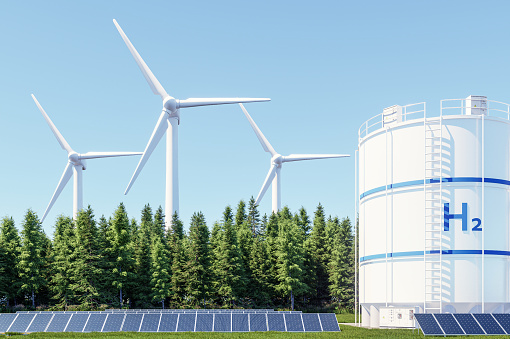
Rising greenhouse gas emissions from population growth and industrialization have intensified the need for clean energy solutions. Although hydrogen is a promising clean energy carrier, 96% of global hydrogen is still produced from fossil fuels, while only 4% comes from water electrolysis, underscoring the need for sustainable, non-fossil hydrogen production pathways.
Synthetic fuels
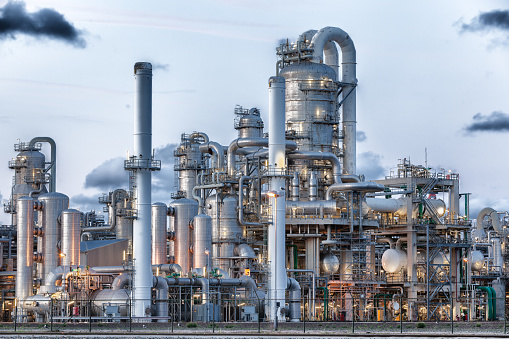
The syngas produced during the start-up process can be used as a feedstock for fuel synthesis by converting its carbon monoxide and hydrogen components into liquid hydrocarbons through processes such as Fischer–Tropsch synthesis or methanol synthesis.
Methanol
One of the most important chemical feedstocks used in the chemical industry. It serves as a building block for the production of plastics, polymers, paints, adhesives (glues), and many other value-added chemicals.
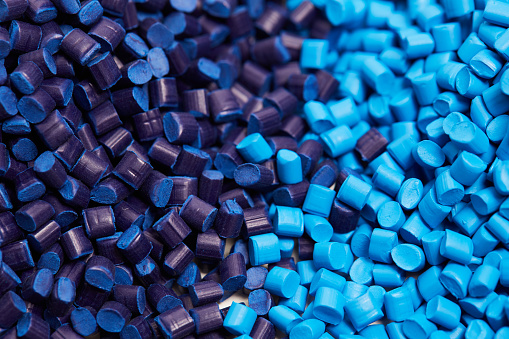
Plastics/polymers
Methanol is widely used as a feedstock in the plastics industry, and the methanol produced via our process can be utilized as a feedstock for producing plastics and polymers.

Paints/glue
Methanol is an important feedstock in the production of paints, coatings, and adhesives. It is primarily converted into formaldehyde for manufacturing wood adhesives, such as urea-formaldehyde resins, and acetic acid, which is used in paint solvents and coatings.
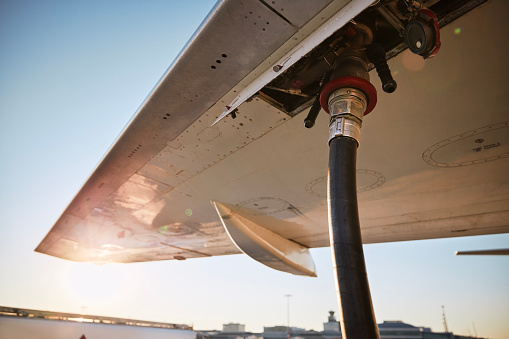
Low-emission fuels
Methanol produced from syngas derived from recycled plastic can be used directly as a fuel or converted into gasoline, diesel, and sustainable aviation fuel through catalytic processes. By recovering the carbon contained in plastic waste, this route reduces the need for virgin fossil resources and supports the production of lower-carbon fuels.
Two escalating crises – one shared solution
Plastic waste has no solution at scale. The chemical industry has no low-carbon feedstock at scale.
SemperCycle has a solution for both. Competitive at fossil market prices.
SemperCycle’s patented gasification technology converts mixed and contaminated plastic waste into methanol, helping accelerate the transition to a circular and low-carbon economy.

Reduce carbon emissions

Reduce need for fossil feedstock

Enable a circular plastics economy
Sorting and recycling
- Plastic waste is sorted and recycled mechanically to the extent possible
- Unfortunately, a large fraction can not be recycled with existing methods and is therefore incinerated
Conversion to chemicals
- SemperCycle technology can convert these non-recyclable fractions to a liquid chemical
- The product has many applications, including as a feedstock for new plastic production
End of life disposal
- The plastic products end their life as household or commercial waste and are collected by waste handlers
New plastic products
- Plastic producers can use the liquid product to directly replace fossil-based feedstock
- The new products have the highest possible quality – no down-cycling
About us
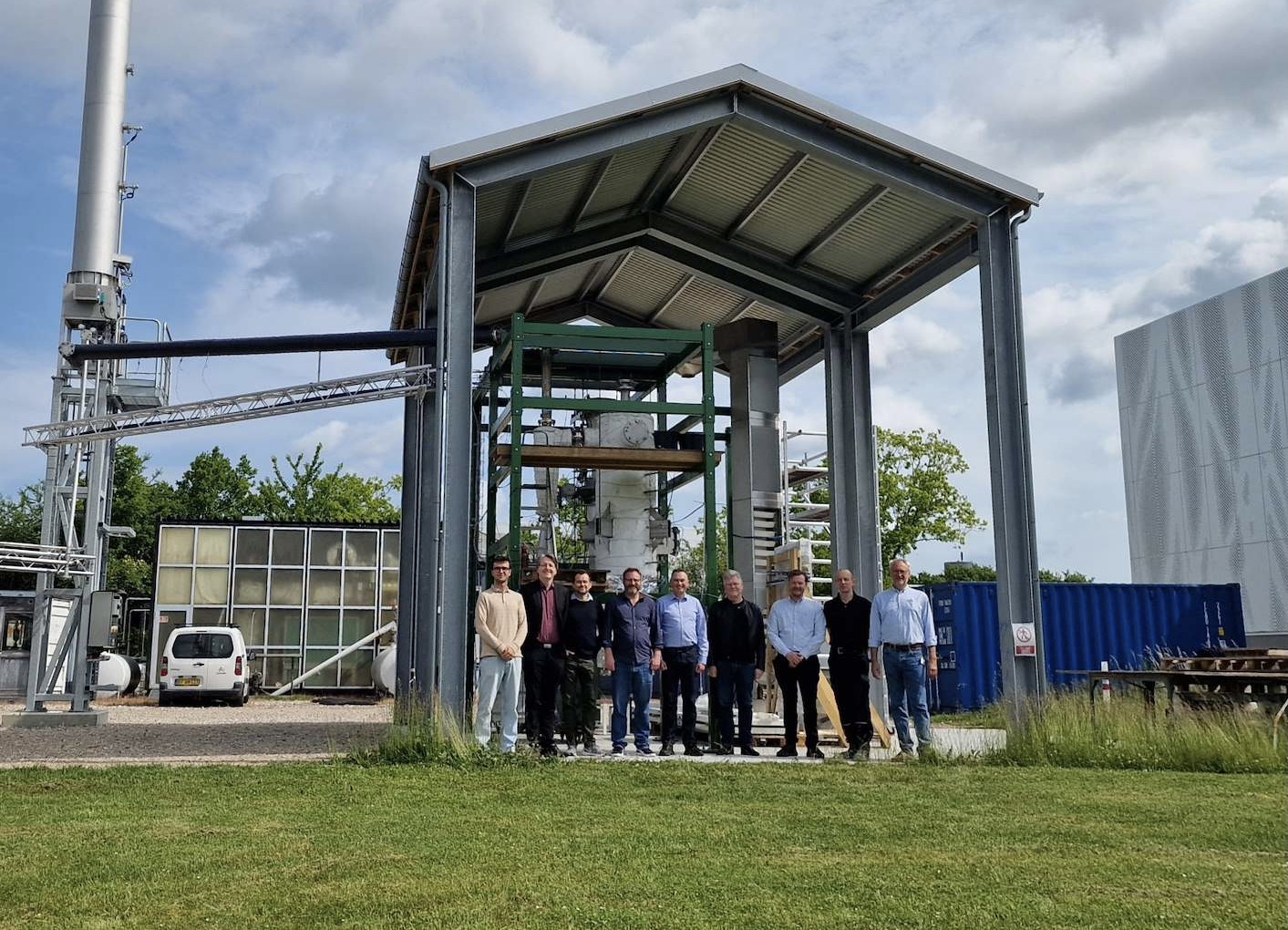
Dedicated team with a broad set of competences
Our team combines the inventor of SemperCycle’s patented gasification technology with extensive expertise in sustainability, and strong competences within the chemical industry.