
markets
From plastic waste to valuable resourcesSemperCycle converts mixed and contaminated plastic waste into sustainable methanol and chemical feedstocks, reducing emissions and replacing fossil resources. Enabling a circular, low carbon economy for unrecyclable plastics.
Markets
Closing the loop on plastic waste
We unlock value from hard-to-recycle plastic waste streams—including mixed plastics, ocean-bound waste, multilayer packaging, and synthetic textiles—by converting them into syngas and low-carbon methanol. SemperCycle connects abundant, underutilized carbon feedstocks with growing demand for sustainable fuels and chemical intermediates, enabling a scalable circular economy while reducing dependence on fossil-derived resources.
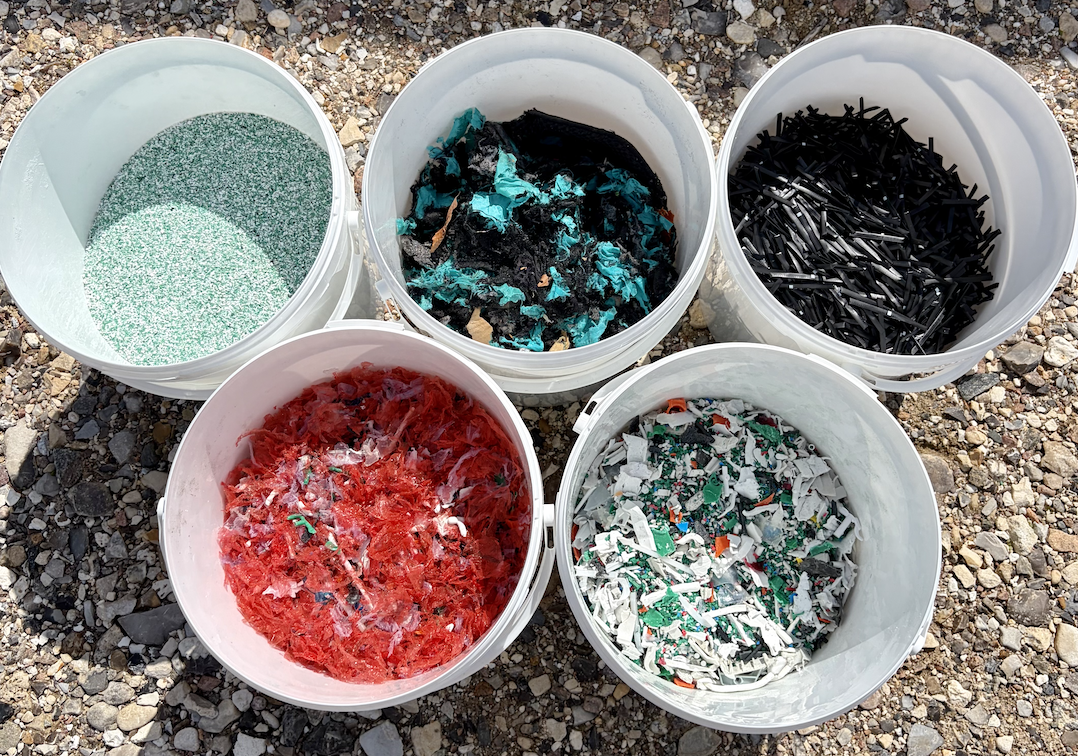
Feedstock market – plastic waste inputs
Plastic waste market size
€33 billion
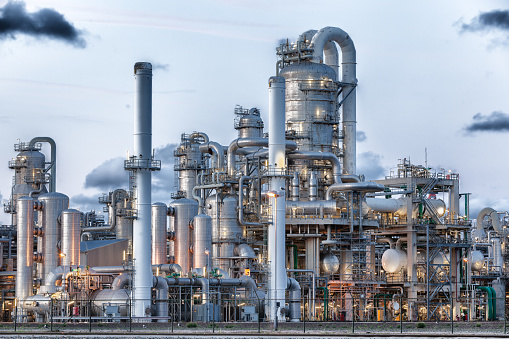
Output market – syngas, methanol and other valuable chemicals
Syngas market size
€240 billion
Methanol market size
€35 billion
SemperCycle converts hard-to-recycle plastic waste into syngas and then methanol, supporting the growing demand for sustainable alternatives to fossil-based resources.
Syngas
Serves as a versatile intermediate for the production of ammonia, hydrogen, and synthetic fuels.

Ammonia is a vital intermediate product for the production of nitrogen fertilizers, as well as various other applications within in the chemical industry. Today, ammonia-based nitrogen fertilizers support food production for approximately 70% of the world’s population.
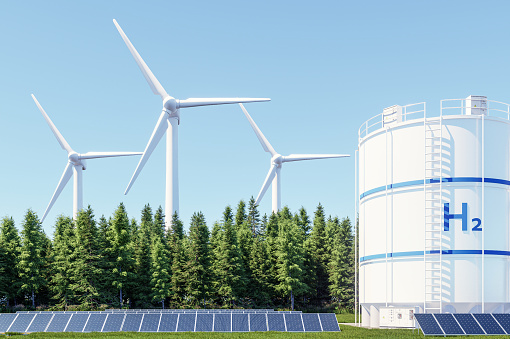
Rising greenhouse gas emissions from population growth and industrialization have intensified the need for clean energy solutions. Although hydrogen is a promising clean energy carrier, 96% of global hydrogen is still produced from fossil fuels, while only 4% comes from water electrolysis, underscoring the need for sustainable, non-fossil hydrogen production pathways.
The syngas produced during the start-up process can be used as a feedstock for fuel synthesis by converting its carbon monoxide and hydrogen components into liquid hydrocarbons through processes such as Fischer–Tropsch synthesis or methanol synthesis.
Methanol
One of the most important chemical feedstocks used in the chemical industry. It serves as a building block for the production of plastics, polymers, paints, adhesives (glues), and many other value-added chemicals.
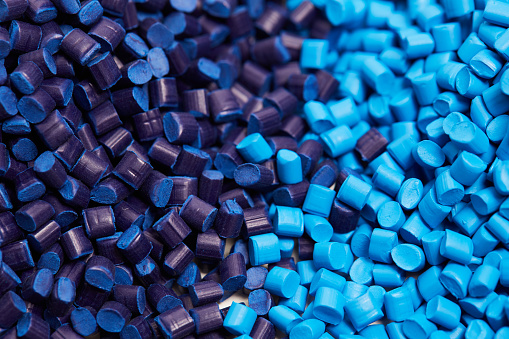
Plastics/polymers
Methanol is widely used as a feedstock in the plastics industry, and the methanol produced via our process can be utilized as a feedstock for producing plastics and polymers.

Methanol is an important feedstock in the production of paints, coatings, and adhesives. It is primarily converted into formaldehyde for manufacturing wood adhesives, such as urea-formaldehyde resins, and acetic acid, which is used in paint solvents and coatings.

Methanol produced from syngas derived from recycled plastic can be used directly as a fuel or converted into gasoline, diesel, and sustainable aviation fuel through catalytic processes. By recovering the carbon contained in plastic waste, this route reduces the need for virgin fossil resources and supports the production of lower-carbon fuels.